FrontStreet Coffee found the following content related to "coffee oils" for you
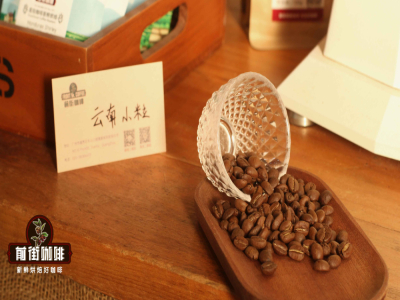
Coffee beans are mainly divided into three major varieties: small-grain Arabica coffee, medium-grain Robusta coffee, and large-grain Liberica coffee. However, the most common types of coffee are Arabica and Robusta. The Arabica variety of coffee is mostly specialty coffee, and the environment in which it is grown is
Read more →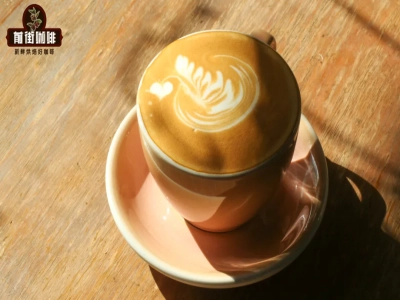
Guest: "Boss, let's have a cup of coffee with nice latte art!" Front Street: Okay, do you want a latte, an Australian white, or a cappuccino? Guest: "I want American style!" Front Street: ...coffee latte art, to be precise, it should be "Latte Art", which translates to "latte art" (milk art)
Read more →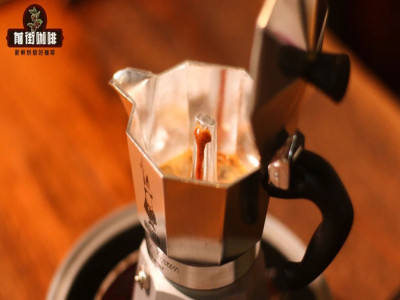
Many coffee lovers will buy a Moka pot at home, because the Moka pot occupies a small area and is very simple to operate. It can make fragrant and oily coffee. However, I learned that many coffee lovers who are new to Moka pots encounter a problem when making coffee with Moka pots: the brewed coffee liquid is not.
Read more →
For more knowledge about specialty coffee, please pay attention to: Frontstreet Coffee’s earliest espresso making method was born in 1884. An Italian named Angelo Moriondo designed a winning method
Read more →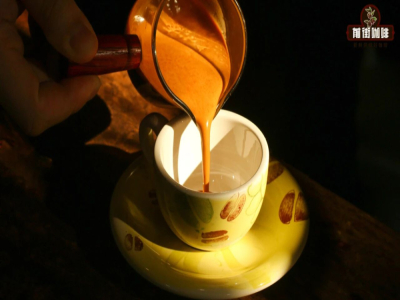
On various social platforms, we can often see pictures like this: a coffee lover raised his head and drank a cup of espresso in one gulp. After frowning for a moment, he showed an intoxicated expression as if he had tasted delicious food in the world. Many friends were infected by the emotions of the enthusiasts in the video, so they would
Read more →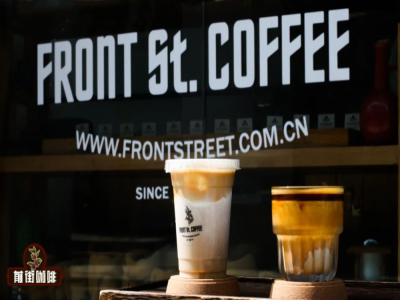
Generally speaking, the beans used for espresso are roasted to a medium to medium-dark degree, because espresso is not only used for making black coffee, but also for making fancy coffees such as latte, Australian white, and mocha. If the roasting degree is too light, not only will the oil be scarce, but the flavor of the coffee will also be easily tainted by the milk.
Read more →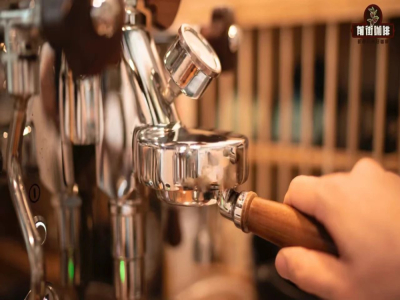
Did you know? Espresso coffee has a strong taste and strong taste, which is often difficult to accept, but once you accept this setting, it feels different. Moreover, espresso is also a coffee that tests the quality of coffee and the skill of the barista. Since espresso is loved by so many people
Read more →
For a long time, the Moka pot has been regarded as an alternative version of the Italian coffee machine because the extraction method is the same as that of the Italian coffee machine. And because the extraction method is the same, the coffee extracted from the Moka pot has a higher concentration and a golden crema. This is reminiscent of
Read more →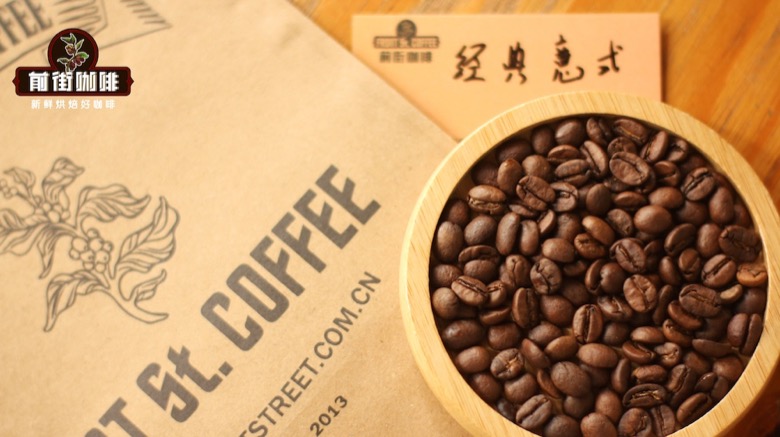
When opening a coffee shop, the selection of coffee beans is an unavoidable core issue. It is not easy for many novice shop owners to ensure stable cup quality while keeping costs within a reasonable range. Among the many Italian-style bean blends, Front Street Black Cocoa Blended is positioned as "good taste and affordable" and has become a favorite among many store owners.
Read more →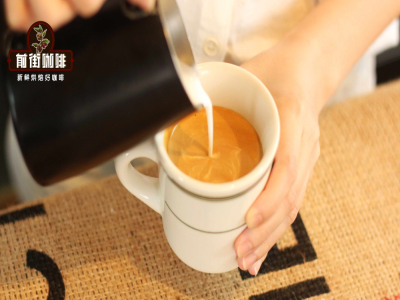
Just like the steaming of hand-brewed coffee, there is also an important preparatory action similar to steaming in the process of coffee latte art! What is it? That's right, it's fusion. The so-called fusion means that we will use part of the milk to mix with the coffee in advance before the actual latte art drawing. The purpose is to make the cattle
Read more →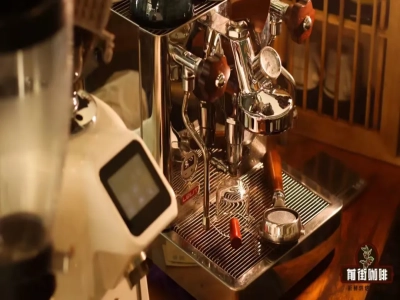
The Espresso Machine has a boiler design inside to facilitate the generation of hot water. The high-pressure hot water, which is close to boiling, is passed through finely ground, flat-packed coffee powder to produce a drink of about 30ml. It has a rich flavor and a dense layer of oil. Italian coffee on the market
Read more →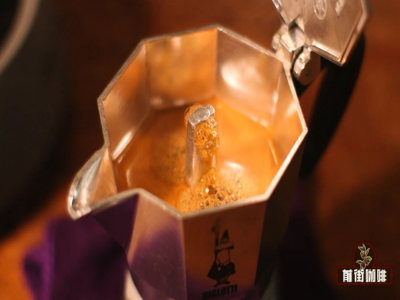
Nowadays, people's love for coffee is not limited to hand-made coffee, but more of them are pursuing making Italian coffee at home. You will find that many friends now go to coffee shops and directly order a cup of latte or cappuccino and other espresso. However, friends who know more about coffee may order a cup of single-origin specialty coffee.
Read more →
Since it is blending, it naturally refers to the combination of two or more coffee beans from the origin, but the same coffee beans with different roasting degrees can also be blended together. Therefore, the type referred to in blending is no longer a narrow combination of varieties, but extends to the flavor of coffee in a broad sense. Generally, 2 to 6 types of coffee are used when blending
Read more →
Although it is said that how you drink coffee can depend on your own preferences, but it is easy for us to miss out on some of the delicious flavors of coffee. The characteristic of coffee is not only the taste, but also the feeling when tasting it. Just like Dirty, if you drink it after stirring it, it is almost the same as Dirty.
Read more →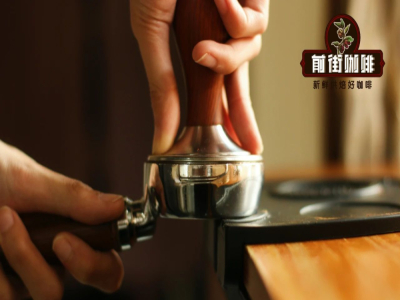
What does Americano coffee taste like? The answer is readily apparent. The flavor of Americano comes from coffee beans. Americano coffee is simple to make, emphasizing convenience, speed, and freedom. Compared with Italian coffee, Americano coffee is relatively refreshing and can better restore the original taste of coffee beans. So Americano coffee is basically every coffee shop
Read more →
Many people's first coffee appliance is not a pour-over pot, but a Moka pot. It's cheap, sturdy, and requires no skills. Just put it on the stove and you'll be able to make a cup of rich hot coffee in just a few minutes. Once the aroma wafts around, the whole kitchen will wake up. But people who use a Moka pot for the first time often fail in choosing beans: just buy a bag of beans and bring them back.
Read more →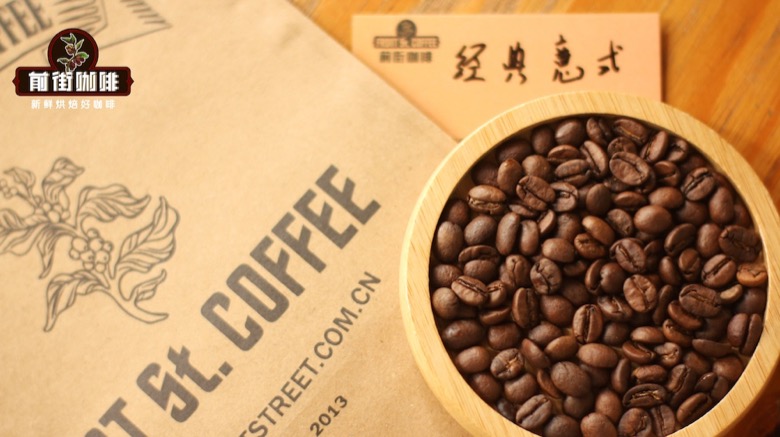
The flavor of a cup of coffee is not only sour or bitter, but also includes aroma, sweetness, body, mouth feel and finish. When choosing beans, first determine whether you want floral and fruity aromas, nutty cocoa, or a balance between the two, and then correspond to the production area, processing method and roasting level. Italian extraction focuses on powder quantity and grinding degree
Read more →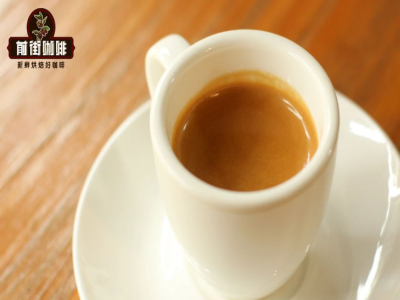
As we all know, there are three major varieties of coffee: Arabica, Robusta and Liberica, and the most common ones are Arabica and Robusta. Among them, Arabica production accounts for 70% to 80%. Robusta is different from Arabica. Because Arabica has an elegant flavor, the coffee beans grown in Arabica
Read more →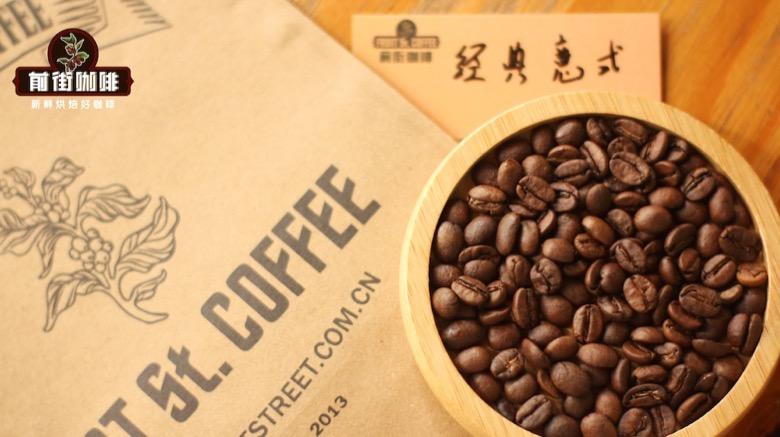
The flavor dimension of a cup of coffee goes far beyond the sour and bitter ends, including aroma, sweetness, body, mouth feel and finish. When choosing beans, first think clearly whether you want floral and fruity aromas, nutty cocoa, or a balance between the two, and then follow the production area, processing method, and roasting degree to match them. In Italian extraction, the amount of powder and grinding
Read more →
Different appliances have different requirements for the same bean: a hand brewer focuses on whether the aroma is clear, an Italian machine focuses on concentration and sweetness, and a Moka pot's pressure, firepower, and powder layer must be coordinated. It is easy to go astray when selecting beans without the equipment, and the parameters need to be adjusted as the degree of roasting changes. In the Italian framework, powder volume, grinding degree, liquid weight and time
Read more →Be the first to know about new bean releases, brewing tips, promotions and cupping notes

Scan to Follow Front Street Coffee on WeChat